

Jul 31, 2019 1:42:45 AM       by Panyue (Penny) Hao

Tumor Immunology Targets

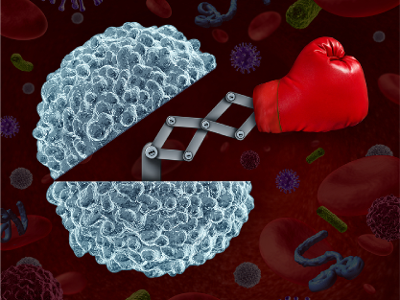
A healthy immune system requires a series of checkpoints to ensure self tolerance and prevent damage to other tissues during immune response. Binding of costimulatory signal transduction molecules (such as CD28, ICOS, GITR) on T cells to their receptors (such as CD80/CD86, ICOSL, GITRL) on antigen presenting cells (APCs) may contribute to T cell activation. However, in some states, inhibitory signals of T cell activation and response occur during the involvement of T cell receptors. These signals are generated by proteins involved in immune checkpoints (eg, PD-1, CTLA-4, TIM-3, and LAG3). Usually PD-1 and CTLA-4 immunological checkpoint proteins are upregulated in T cells infiltrating tumors and bind to their respective ligands, PD-L1 (ligand B7-H1)/PD-L2 (ligand B7- DC) and CD80/86, and down-regulate T cell responses. Immunological checkpoint ligands are often upregulated in cancer cells as a means of evading immune detection. Therefore, immunotherapy by blocking immunological checkpoint protein activation of anti-tumor immunity has become a popular research subject for cancer therapy.
Mar 29, 2019 1:41:43 PM       by Michele Mei

Why doesn’t the heart get cancer?

In some ways, the heart is quite a vulnerable organ. Cardiac complications such as heart attack, cardiac arrest, or heart failure are common. But interestingly, of the many diseases that may affect the heart, cancer is not one of them. For example, we often hear about cancer in the prostate, breast, colon, skin, etc., but rarely of the heart. How is this vital organ different?


Jan 21, 2019 7:46:19 PM       by Michele Mei

The Next Cancer Model

The Problem with Cancer Models

Very few cancer drugs succeed in clinical trials, despite showing promise in the lab. Treatments that may work on animal models, cell lines, or even patient-derived xenografts often do not have the same efficacy in patients. The underlying reason is tumor environments within the human body are far more complex than in research models. For example, the tissue structure (histological complexity) and genetic heterogeneity of an animal model is different than that of humans. Even cell lines and patient-derived xenografts, which are human-derived, have their own pitfalls such as genetic mutations and animal-specific tumor evolution, respectively. Due to the inability to reproduce human tumor environments, many drugs fail clinical trials after lengthy and costly development.