Nov 19, 2021, 12:00:00 PM       by Eva Volckova

Interleukin Family Overview

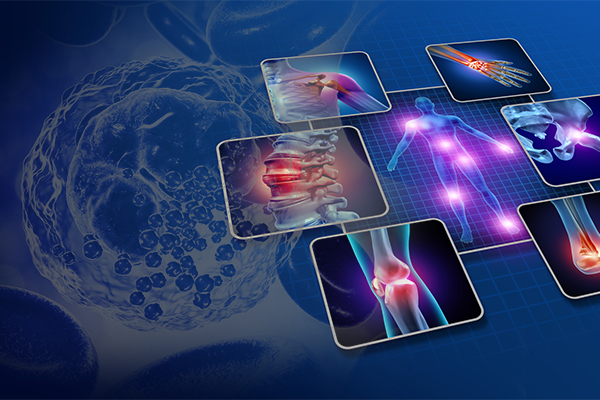
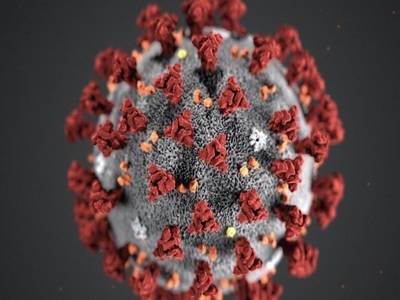
Interleukins are a group of small signaling molecules, and a type of cytokine. They play a vital role in the body’s immune response by activating and deactivating immune cells. Recently, interleukins have gained visibility as a target to help treat COVID-19, and the WHO has recommended giving IL-6 inhibitors to patients with severe cases. Additionally, because of its widespread impact on the body, the interleukin family has gained popularity as drug targets over the last few years.
Nov 5, 2021, 12:00:00 PM       by Cheryl Cheah

The Importance of CD Antigens in Drug Discovery

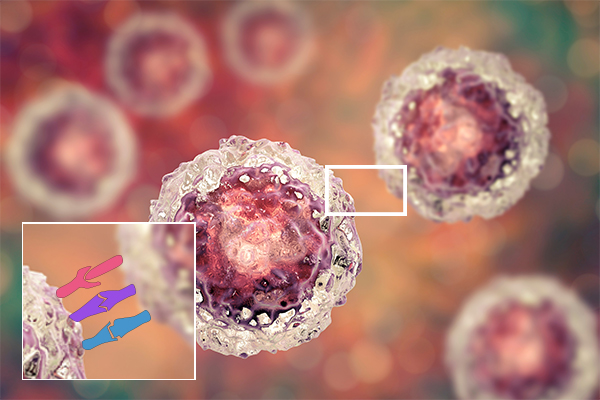
CD antigens have played a significant role in both diagnosis and treatment for several diseases ranging from autoimmune diseases to cancer. CD antigens are often used as drug targets in drug discovery and as biomarkers in diagnosis because they are both highly specific and are located at the surface of the cells to target different to identify and investigate cell surface molecules.


Oct 29, 2021, 10:30:00 AM       by Eva Volckova

DNA Damage & Repair and its Therapeutic Potential

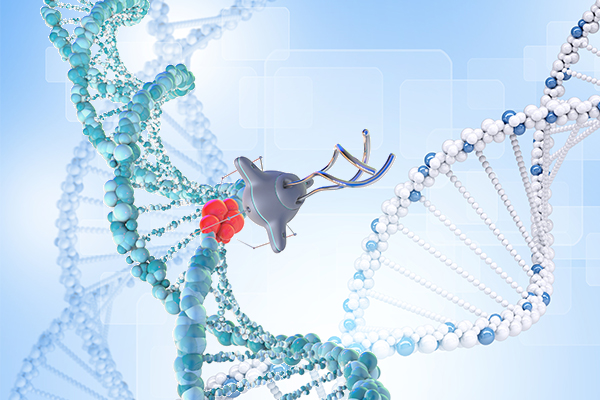
Since DNA was first discovered by researchers, decades of work have been done to understand its importance as it is the code of life itself. While DNA is the cornerstone of life, it is not immune to damages, and as so it is vital for DNA to repair itself for normal cell function to be maintained. Though, DNA is not always able to repair itself and this leads to some diseases such as various cancers. Fortunately, DNA repair pathways are capable of being tools to provide therapies to combat these diseases.


Apr 26, 2021, 3:00:00 PM       by Dennis Miao

COVID-19: 5 Aspects to Understand

Having been over a year since COVID-19 was officially declared a pandemic, we here at ABclonal have had the chance to compile and explore a wide range of information, resources, and breakthroughs related to the novel coronavirus through our blogs. Below, we've organized and selected five recommended pieces of reading related to COVID-19, covering topics including asymptomatic cases, the different detection methods (PCR vs. antibody testing), as well as a one-year-mark review of the impact of COVID-19.


Apr 20, 2021, 3:30:00 PM       by Jiarui Wang

Epigenetics: Manipulating Gene Expression

Foreword

To start, put yourself in a hypothetical situation: you have an identical twin brother who was secretly transferred to another family when you were less than a year old. His new family was poor, and your family was rich and therefore the environment in which you grew up was much better than his. After 50 years, by chance, you both happen to meet and it turns out that you look quite different from one another and are in different states of health; he is short and is suffering from heart disease, while you are tall, healthy, and are training to run a marathon. So, what was it that made you two so different, in light of the fact that your genetic materials are completely identical?


Apr 20, 2021, 12:59:01 PM       by Dennis Miao

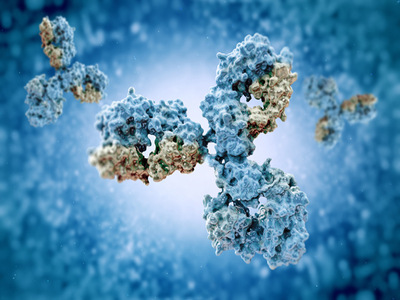
5 Things You Need to Know About Antibodies in Research

As a cornerstone of the body’s immune response, antibodies can provide significant data to support scientists’ research. Antibodies are used in a multitude of applications in research, including but not limited to: western blot (WB), immunoprecipitation (IP), immunofluorescence (IF), immunohistochemistry (IHC), chromatin immunoprecipitation (ChIP), and flow cytometry (FC). If you're looking to learn more about the various types of antibodies, their differences (ie. rabbit vs. mouse), and their uses in research, we've got you covered below with a collection of curated blogs from our ABclonal Knowledge Base: