On a bit of a lighter note this week, let’s take a dive into the origins of the beloved Guinea pig and their often overlooked role in the development of some major breakthroughs in the field of medical research.
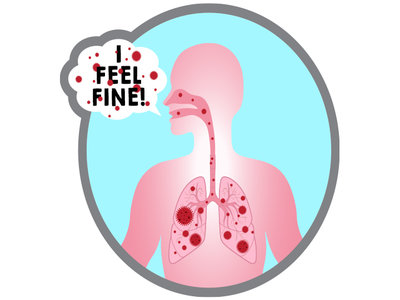
As we’ve seen over these past few months, a SARS-CoV-2 infection can result in widely different manifestations and severities in the subsequent course of the disease it causes, COVID-19. Many of those infected by SARS-CoV-2 experience a mild to severe illness, with symptoms that include fever, shortness of breath, cough, and fatigue that appear roughly 2-14 days after exposure to the virus. On the other hand, some individuals infected with the virus will remain asymptomatic.
The novel coronavirus has spread rapidly around the world, with confirmed infection cases having reached more than six million. The average mortality rate of those infected is estimate to be around 6%. The sudden outbreak and particularly rapid spread of the novel coronavirus have required researchers worldwide to double down on investigative efforts against COVID-19 in order to develop a treatment and vaccine as soon as possible.
With troves of information and developments coming out daily from the various companies and researchers developing vaccines and potential treatments for COVID-19, it can certainly feel overwhelming to keep track of everything. This compilation of information should help you catch up on, and navigate recent developments in the fight against COVID-19.
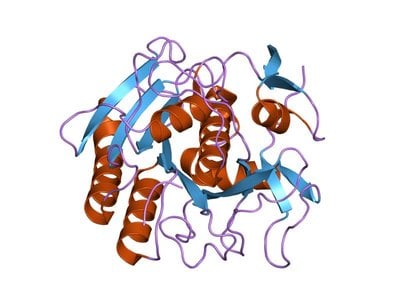
As you may have surmised from the title of this article, Proteinase K (also known as protease K or endopeptidase K) shares many functional similarities to the protagonist of the iconic TV show, Breaking Bad. Much like Walter White, Proteinase K is incredibly versatile in its applications, while remaining relatively unassuming and overlooked at times. Unlike the chemistry teacher gone rogue, however, its properties can be channeled for good.

In recent days, there have been developments and progress towards initial re-opening of states across the country. For many of us, however, returning to work will be a more gradual process and will still involve some time at home as companies, localities, and the country as a whole work towards resuming normal life while maintaining social distancing and mitigating chances for secondary waves of infection. Thus, it’s still incredibly important to keep in mind these 5 strategies for working effectively, and healthily, at home: