As human beings with trillions of cells, each of which has their associated millions of copies of myriad proteins and other biological molecules, it’s something of a miracle that enough of the molecules bump together at the right times to keep us alive and functional. In addition to our own cells, we also coexist with microscopic neighbors, including various beneficial bacteria, while fending off pathogens like disease-causing bacteria, viruses, protozoans, and fungi. We often consider the bacteria and viruses in most human diseases, which invoke our immune systems to fight them to keep us healthy, but it also makes sense that the fungi can affect us as well, a topic in cancer research that is gaining attention.
Many of you are well on your way through graduate school, itching to earn that precious PhD, while some are just starting out, getting ready to take your first midterms while preparing to choose your first research rotations. Regardless of where you are in your career, or even if you've already earned that doctorate and are on your way to a postdoc and beyond, ABclonal's blog series has put together some articles that can help you get through the day. Whether it is experimental troubleshooting or just trying to get along with your lab mates and PhD supervisor, here is a collection of previous blogs that should be of use to you.
Reaching the golden years doesn’t always feel so golden. As we age, disease, injury, and other stress factors from the environment will damage our bodies' cells. Most cells may be able to repair that damage, while our immune system usually clears those damaged cells through a process called apoptosis.[1] However, if cellular repair and clearance is not effective, the residual damaged cells will further weaken the immune system and deteriorate other biological processes. Is there a possibility that we can avoid this cellular damage and improve the health of older people? A cellular state known as senescence might hold the key to this question.[1, 2] During senescence, the damaged cells irreversibly stop dividing and resist being removed. [3] Researchers have shown that determining senescence biomarkers could lead to new therapies for the inflammatory disease caused by senescence in older people.[4]
As we try to come back to some level of normalcy after a couple of long, stressful years of pandemic, science has been continuing to chug along to improve the human condition. In celebration of this, we had silly achievements that made us laugh, then think, in the form of the Ig Nobel prizes, and this week, the cream of the crop was recognized with the three science Nobel Prizes. We wanted to highlight the Physiology and Medicine prize separately since ABclonal is a bioscience reagents company, but as we said before, every field of science is important to the pursuit of not just biological advancement, but the betterment of all humanity. So while you can also read about the achievements of the Medicine winner, Dr. Svante Pääbo, in the previous entry, here are the science prize winners in all the glory we can give them in this blog space!
2022 Nobel Prize in Physiology/Medicine Celebrates Human Evolution!
I had anticipated that 2022's Nobel Prize might go to something more contemporary, like the RNA-based vaccine technology or even the malaria vaccine, but as is sometimes the case with the Nobel committee, this year they threw us a pleasantly surprising curveball with the prize in Physiology or Medicine. With this award, the Nobel Prize definitely awards someone who gave the greatest benefit to humankind indeed as the recognition was for discoveries that look into the very origins of humanity!
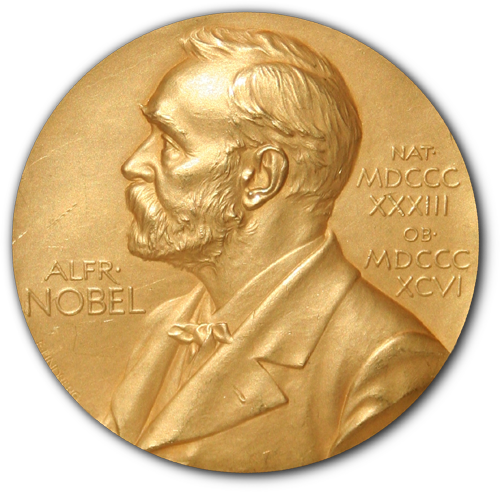
Every fall, the world comes to attention for the unveiling of the Nobel Prizes, considered the most prestigious awards for achievements in science and the humanities. Per Alfred Nobel’s will, the original five prizes were to be awarded “for the greatest benefit to humankind,” and in 1969, the Economics prize was added to the mix.