We’ve all been there…the experiment didn’t work for the 87th time, and the feeling of dread and impostor syndrome surrounds the mind as the seminar or thesis committee meeting looms. It’s easy to dwell on everything that isn’t working right at that moment, but there are scientific discoveries to be made, and someone has to do it, and it might as well be you! That’s easier said than done, but with the proper support mechanisms and some confidence boosts, your goals will be achievable.
8 Educational and Entertaining YouTube Channels for Your Down Time!
Like many of you out there, I used to pass the incubation periods for my experiments by scouring YouTube for videos, both of the educational and entertaining variety. While the bulk of this was admittedly cat and animal videos and human misfortunes (that normally did not result in debilitating injuries or death, mind you), I did prefer the channels that were a combination of educational and entertaining, which is a philosophy I adopted as a teacher and mentor. So today, I'd like to share some of my favorite channels that might help you de-stress from a hard day at work, and also probably teach you something! You can click the headers to go to their main channel as well as check out the example videos.
In the holiday rush, there were some fun science stories I was unable to get to other than the 2022 breakthrough of the year celebrating the ongoing JWST expedition. Now that we're back from celebrating with friends and family, let's check out some of what we missed!
One of the first things my K-12 science teachers taught me was to write a formal laboratory report. While comparatively crude, the basic structure of the middle/high school lab report is similar to what you might see in an article you read in Cell or Science. I've helped write numerous grant applications and journal articles as well as my own dissertation, and I even helped teach a course at the University of Chicago that emphasized grant writing, so I've been intimately familiar with how the process goes. Additionally, as various lecturers have told me, a good scientist is also a good storyteller, so it made sense that their message stayed with me all these years because they told very good stories about their work that were embedded into my memories (and my memory is honestly not that good). I thought I'd take this time to help you all develop your writing structure and consider how best to deliver your message, whether it is in your own grant application, a new journal article submission to present your findings to the world, or a speaking engagement that, well, keeps the audience of your very well-informed peers engaged!
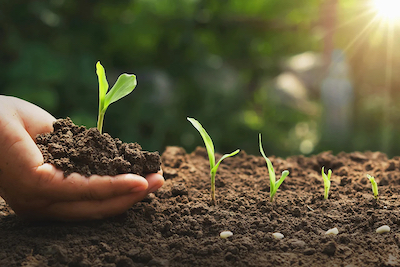
Most of the United States is feeling the cold of winter at the moment, but it's never too early to start planning your compost setup. As you all may guess, I'm a big proponent of sustainable living, even in the laboratory, and the habits we develop could also lead to a healthier yard and surrounding natural landscape. As a teacher in Chicago, I developed an engineering project with my students to turn a part of our school courtyard into a vegetable garden, and we incorporated composting into it. It was a very cost-effective project as the students would bring in their unused vegetable scraps, recycled papers, and egg shells to school and develop their own compost mixes from which we would derive fertilizing materials for corn and squash. We ended up growing quite a bit of corn and not much else, but I anticipate that was because of the suboptimal lighting due to our building blocking the bulk of the sun's rays most of the day. But imagine what you could do with a little planning and a bit more budget than a public school (but that's a story for another day)!
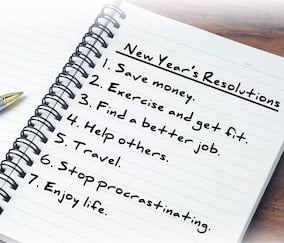
You know how it is this time of year, when you have to make some New Year’s resolutions to improve from this past year. The good news is that you can put off the actual execution of said resolutions until next year (since it’s only a few days away), and it is probably true that you won’t be able to keep some of them, but at least you can say you tried! Writing these down is a good way to keep a record and try to keep yourself accountable. Besides the normal ones about more exercise and losing weight, here are some science-associated suggestions for good resolutions that aren’t that hard to keep!