Nov 11, 2020 12:00:00 PM       by Kashyap Gayathri

Antibodies Served With a Side of Phospho-Specificity

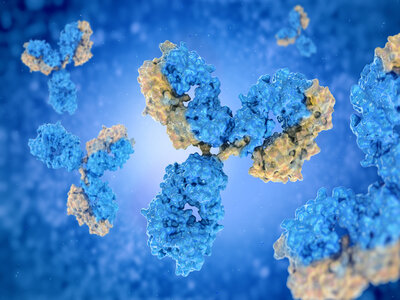
Anyone who is remotely interested in biology, or has perhaps scrolled through fitness websites to get in shape, has come across the word "protein". There is, however, much more to proteins than simply being a key player in maintaining active lifestyles. Proteins are ubiquitous in the cells of the body and are the driving force for key cellular processes. In order for proteins to carry out their duties, they need to be well-armed to execute their functions. This process of making the protein competent is achieved through specific post translational modifications (PTMs). The star of the PTMs is a cellular process called phosphorylation. The conventional methods adopted for quantifying phosphorylation are highly labor intensive. The development of phospho-specific antibodies has allowed for a huge sigh of relief from researchers due to their reputation of being quick, and detecting only phosphorylated forms of proteins in a complex mixture of phosphorylated and non-phosphorylated forms.



Oct 27, 2020 4:09:38 PM       by Bryent Lee

A Closer Look at the Fundamentals of Recombinant DNA Technology

The advancement of recombinant DNA technology in recent years has drastically changed the world of research by controlling the expressions of target genes. Recombinant DNA combines genetic material from different sources, creating sequences that are unique and new to the genome. The DNA sequences used in the construction of recombinant DNA molecules can originate from any species, such as human, fungal, bacterial, and plants. 1


Oct 7, 2020 8:17:19 PM       by Dennis Miao

2020 Nobel Prize: Winners Announced for Award in Medicine

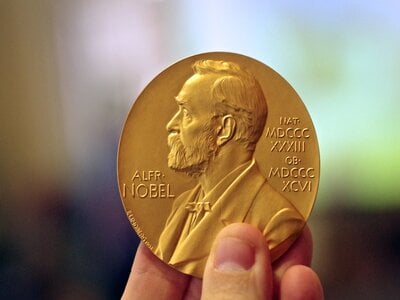
This has been an incredibly exciting past few days in the world of scientific research. For those unfamiliar, the 2020 Nobel Prize winners are set to be announced this week; as of today’s writing on October 7th, 2020, three sets of award winners have already been unveiled in medicine, physics, and chemistry. Today, we’ll take a closer look at the backgrounds and distinguished research of the laureates in medicine.


Sep 17, 2020 12:00:00 PM       by Dennis Miao

FDA OKs Abbott's COVID-19 Rapid Test Kit

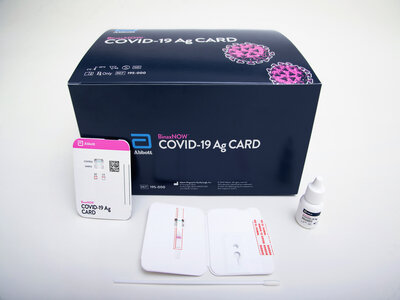
In a press release on August 26th, 2020, Abbott Laboratories announced that they were issued an emergency use authorization (EUA) by the FDA for their new, rapid point-of-care COVID-19 antigen test. Branded as the “BinaxNOW COVID-19 Ag Card”, the test is unique compared to the more prevalent molecular-based detection tests for COVID-19 in that it utilizes a lateral flow assay, similar to traditional over-the-counter pregnancy tests. Contained in a portable, credit-card sized device, Abbott claims that the test can deliver results in as little as 15 minutes, representing a significant reduction in time compared to RT-PCR-based tests that have turnaround times on a scale of hours rather than minutes.


Sep 2, 2020 8:10:47 PM       by Dennis Miao

Webinar Recap: Neuroendocrine Mechanisms of Feeding Behavior

For the first installment of our ABclonal Webinar Series on August 26th, we had the privilege of inviting Dr. Yong Xu of the Baylor College of Medicine to share his research on neuroendocrine mechanisms for appetite regulation and their implications on conditions such as obesity. If you were unable to attend the live session or would like to re-watch to review some of Dr. Xu's key points, we've got you covered with a link to a recording of the webinar and Q&A here, as well as recap of his lecture below.


Aug 19, 2020 7:50:57 PM       by Dennis Miao

5 Ways to Stay Productive While Waiting for Experiments to Run

With labs across the country in various stages of reopening, it can be tough to transition right back into the physical office after months of working from home. Throughout your typical day in the lab, you may find that there are many instances where you've got a few odd minutes (or even hours) here and there. Oftentimes, these periods are used to scroll through your phone or catch up on social media. Here are five suggestions on how to productively fill in those gaps while you're waiting for your experiments to run.