---
title: ABclonal Knowledge Base | inflammation (2)
description: inflammation | (2)
---
[](https://blog.abclonal.com/)
[\[fa icon="user"\]](https://abclonal.com/user/login) [\[fa icon="shopping-cart"\]](https://abclonal.com/shoppingcart)
- [Products & Services](https://abclonal.com/catalog-antibodies?id=1)
- [Publications](https://abclonal.com/learning/publications)
- [Resources](https://abclonal.com/featured-topics)
- [](https://abclonal.com)
- [Promotion](https://abclonal.com/sales/promos)
- [Partnership](https://abclonal.com/partner/partnership)
- [Company](https://abclonal.com/company/aboutUs)
[\[fa icon="user"\]](https://abclonal.com/user/login) [\[fa icon="shopping-cart"\]](https://abclonal.com/shoppingcart)
Blogs
This is a search field with an auto-suggest feature attached.
- There are no suggestions because the search field is empty.
- [](http://www.facebook.com/share.php?u=https://blog.abclonal.com/blog/topic/inflammation&utm_medium=social&utm_source=facebook)
- [](http://www.linkedin.com/shareArticle?mini=true&url=https://blog.abclonal.com/blog/topic/inflammation&utm_medium=social&utm_source=linkedin)
- [](https://twitter.com/intent/tweet?original_referer=https://blog.abclonal.com/blog/topic/inflammation&utm_medium=social&utm_source=twitter&url=https://blog.abclonal.com/blog/topic/inflammation&utm_medium=social&utm_source=twitter&source=tweetbutton&text=)
- [](https://plus.google.com/share?url=https://blog.abclonal.com/blog/topic/inflammation&utm_medium=social&utm_source=google_plus)
[ WHAT'S HOT IN LIFE](https://blog.abclonal.com/blog/topic/whats-hot)
[ #LABLIFE](https://blog.abclonal.com/blog/topic/lab-life)
[ ABCLONAL](https://blog.abclonal.com/blog/topic/abclonal-news)
[](https://blog.abclonal.com/blog/recent-work-in-pyroptosis)
Jun 30, 2022, 12:00:00 PM by [Kin Leung](https://blog.abclonal.com/blog/author/kin-leung)
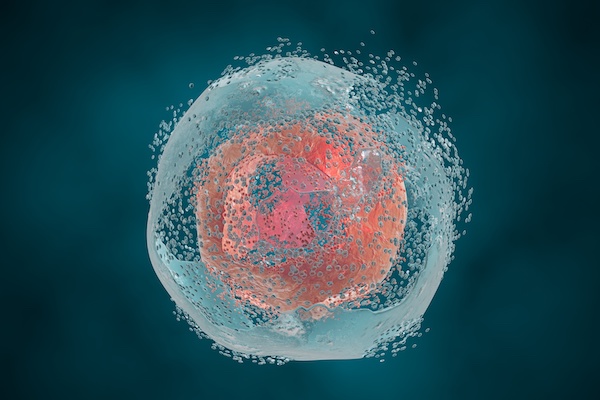
## [Another Way to Kill Bad Cells: Recent Work in Pyroptosis](https://blog.abclonal.com/blog/recent-work-in-pyroptosis)
- [Tweet](https://twitter.com/share)
Once upon a time when I was a fledgling science nerd in high school, I started learning about the process of [apoptosis](https://abclonal.com/apoptosis/), which remains to this day the most studied form of cell death in various functions including organismal development and defense against cancer. As an immunologist-in-training, I also learned about the classical complement pathway that the immune system uses to destroy infected cells, and also necrotic cell death or [necroptosis](https://blog.abclonal.com/blog/necroptosis-the-inflammatory-counterpart-of-good-ol-apoptosis) (which is full of really gross pictures if you dare to Google it). Of course, I [learned about autophagy in graduate school](https://blog.abclonal.com/blog/abclonal-in-action-updates-and-advances-in-autophagy) and really appreciate its utility in normal physiology and disease, while very recently I read about [ferroptosis](https://blog.abclonal.com/blog/ferroptosis-as-a-new-type-of-inflammatory-programmed-cell-death) as yet another programmed cell death (PCD) pathway. Right around when the [Nobel Prize was awarded to recognize the elucidation of PCD](https://www.nobelprize.org/prizes/medicine/2002/press-release/), pyroptosis came about as a novel PCD pathway that is continuing to gain steam in its clinical relevance. It seems logical for cells and organisms to have redundant systems in place to clear away damaged and malignant cells before a health crisis can emerge if the cell evades the primary route of apoptosis.
[Read More](https://blog.abclonal.com/blog/recent-work-in-pyroptosis)
---
[](https://blog.abclonal.com/blog/precision-therapeutics-for-alzheimers-disease)
Jun 17, 2022, 12:00:00 PM by [Kin Leung](https://blog.abclonal.com/blog/author/kin-leung)
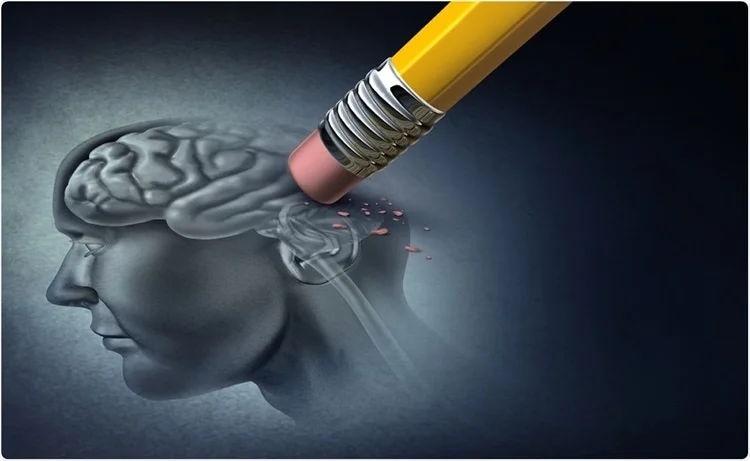
## [A Path To Effective Precision Therapeutics For Alzheimer’s Disease](https://blog.abclonal.com/blog/precision-therapeutics-for-alzheimers-disease)
- [Tweet](https://twitter.com/share)
Before my grandmother passed, she had been battling severe dementia for a very long time, which made it difficult in many ways to have conversations with her. It would take several minutes for her to process who I was, and then it would seem like she would remember me and my family, but she would still have to ask for clarification several times even after we had answered her queries. I am grateful that she is in a better place now, but her challenges in the final years of her life deepened my empathy for people who suffer from dementia, and those who take care of them.
[Read More](https://blog.abclonal.com/blog/precision-therapeutics-for-alzheimers-disease)
---
[](https://blog.abclonal.com/blog/traffic-management-the-indispensable-vesicular-transport-system)
Jun 3, 2022, 12:00:00 PM by [Kin Leung](https://blog.abclonal.com/blog/author/kin-leung)
## [Traffic Management: The Indispensable Vesicular Transport System](https://blog.abclonal.com/blog/traffic-management-the-indispensable-vesicular-transport-system)
- [Tweet](https://twitter.com/share)
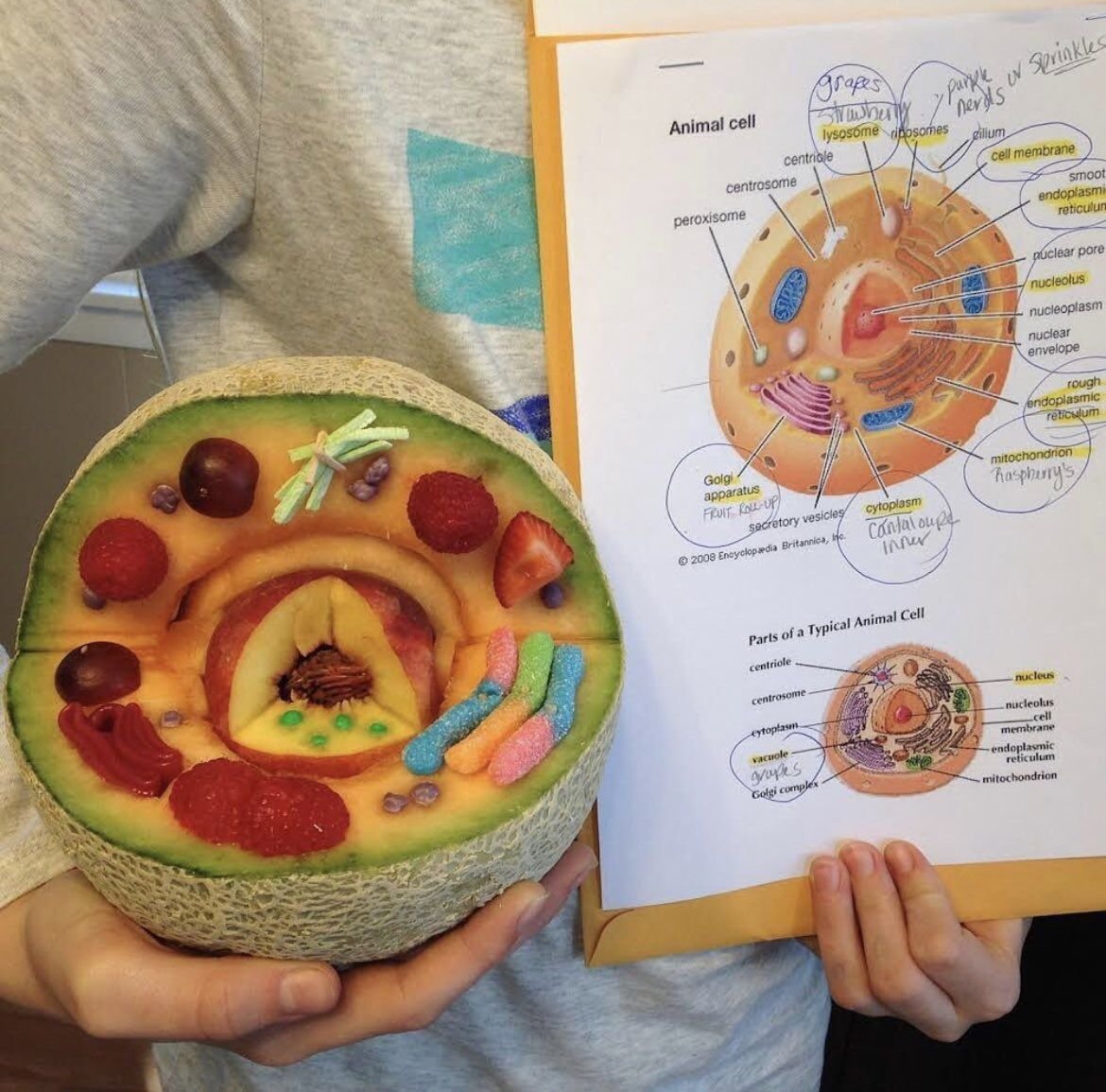
When I taught high school biology, a favorite part of the curriculum was cellular structures and functions. I set up an activity suggested by other experienced biology teachers that was based on the “[Cell City](https://www.ellieshipman.com/portfolio/cell-city),” a learning analogy where students would create an artwork of a city with the mitochondrion as a power plant and a vacuole as a lake. (Figure 1) I wish I saved their very creative projects, but I distinctly remember one group used the [Chicago Transit Authority’s elevated train system map](https://www.transitchicago.com/maps/) to represent the endoplasmic reticulum (ER), a very clever use of the analogy and a nod to city pride. It was also the first time these students really thought about vesicular transport, although they didn't fully understand its importance.
[Read More](https://blog.abclonal.com/blog/traffic-management-the-indispensable-vesicular-transport-system)
---
[](https://blog.abclonal.com/blog/plant-power-plant-chemicals-and-proteins-for-human-health)
Jun 1, 2022, 2:13:47 PM by [Kin Leung](https://blog.abclonal.com/blog/author/kin-leung)
## [Plant Power: Plant Chemicals and Proteins for Human Health](https://blog.abclonal.com/blog/plant-power-plant-chemicals-and-proteins-for-human-health)
- [Tweet](https://twitter.com/share)
When I was growing up in Hong Kong, and even after I came to the United States, my parents and grandparents would periodically give me [ginseng](https://www.webmd.com/vitamins/ai/ingredientmono-1000/panax-ginseng) beverages and soups, which was not always pleasant due to the bitter taste. As a result, I don’t think I really appreciated the benefits of ginseng, both scientifically confirmed and perceived. It is fun and informative to read about the myriad studies of natural plant extracts and how they can improve our well-being. Many folks like to drink herbal teas or use plant-derived supplements such as aloe vera lotions, so maybe this is good incentive to grow more of these beneficial plants such that they can provide health products as well as some clean oxygen for us to breathe!
[Read More](https://blog.abclonal.com/blog/plant-power-plant-chemicals-and-proteins-for-human-health)
---
[](https://blog.abclonal.com/blog/diving-into-the-2021-nobel-prize-in-physiology-or-medicine)
Apr 22, 2022, 12:00:00 PM by [Kin Leung](https://blog.abclonal.com/blog/author/kin-leung)
## [More Than a Feeling: The Science and Applications of Sensory Receptors](https://blog.abclonal.com/blog/diving-into-the-2021-nobel-prize-in-physiology-or-medicine)
- [Tweet](https://twitter.com/share)
The [2021 Nobel Prize in Physiology of Medicine](https://www.nobelprize.org/prizes/medicine/2021/press-release/) was awarded jointly to [David Julius](https://juliuslab.ucsf.edu/), of the University of California at San Francisco, and [Ardem Patapoutian](https://www.scripps.edu/faculty/patapoutian/), a neuroscience researcher at the Scripps Research Institute in La Jolla, California. Working independently, Julius and Patapoutian discovered the key receptors ([TRPV1](https://abclonal.com/catalog-antibodies/TRPV1RabbitpAb/A8564), [TRPM8](https://abclonal.com/catalog-antibodies/TRPM8RabbitmAb/A4269), [Piezo1](https://abclonal.com/catalog-antibodies/PIEZO1RabbitpAb/A4340), and [Piezo2](https://abclonal.com/catalog-antibodies/PIEZO2RabbitpAb/A20272)) in our bodies that sense heat, cold, and touch. Their work not only helps us to understand how we perceive and adapt to the surrounding world, but also paves the way for drug discoveries that target a wide range of diseases, including chronic pain, respiratory disease, and cancer.
[Read More](https://blog.abclonal.com/blog/diving-into-the-2021-nobel-prize-in-physiology-or-medicine)
---
[](https://blog.abclonal.com/blog/necroptosis-the-inflammatory-counterpart-of-good-ol-apoptosis)
Nov 25, 2020, 5:27:12 PM by [Kashyap Gayathri](https://blog.abclonal.com/blog/author/kashyap-gayathri)
## [Necroptosis: The Inflammatory Counterpart of Good Ol’ Apoptosis](https://blog.abclonal.com/blog/necroptosis-the-inflammatory-counterpart-of-good-ol-apoptosis)
- [Tweet](https://twitter.com/share)
**A Bird’s Eye View of Necroptosis**
Necroptosis is a type of regulated necrotic death driven by defined molecular pathways. Regulated necrosis regulates programmed cell death. Necroptosis is at the center of the pathophysiology of several clinically-relevant disease states, including myocardial infarction and stroke, atherosclerosis, ischemia-reperfusion injury, pancreatitis, and inflammatory bowel disease. Necroptosis results in necrosis-like morphological changes, such as cell swelling, plasma membrane pore formation, and membrane rupture. It also requires co-activation of receptor-interacting protein (RIP) 1 and RIP3 kinases. Necrosome is a complex formed by RIP1, RIP3 and Fas-associated proteins with death domain (FADD). Several studies in the preclinical stage have demonstrated that targeting necrosome can have variable effects on progression of tumors, indicating that it is largely cell-type or context dependent.
[Read More](https://blog.abclonal.com/blog/necroptosis-the-inflammatory-counterpart-of-good-ol-apoptosis)
---
[Previous](https://blog.abclonal.com/blog/topic/inflammation/page/1) [All posts](https://blog.abclonal.com/blog/all) [Next](https://blog.abclonal.com/blog/topic/inflammation/page/3)
### Get the latest posts
#### Products
#### Services
#### Support
- [SARS-CoV-2](https://abclonal.com/sars_cov_2)
- [SARS-CoV-2 IVD Raw Materials](https://abclonal.com/SARS-CoV-2-IVD-Raw-Materials)
- [Molecular Biology Reagents](https://abclonal.com/molecular-biology/)
- [Catalog Antibodies](https://abclonal.com/catalog-antibodies/)
- [Catalog Proteins](https://abclonal.com/catalog-proteins/)
- [NGS Lib Prep Kits](https://abclonal.com/ngs-lib-prep-kit/)
- [ELISA Kits](https://abclonal.com/elisa-kits)
- [Antibody Services](https://abclonal.com/antibody-services)
- [Peptide Services](https://abclonal.com/peptide-services)
- [Protein Services](https://abclonal.com/protein-services)
- [Purchasing FAQs](https://abclonal.com/buying-faqs)
- [Technical FAQs](https://abclonal.com/technical-faqs)
- [Publications](http://abclonal.com/publications)
- [Returns & Refunds](https://abclonal.com/returns-refunds/)
#### [Contact Us](https://abclonal.com/contact-us/)
- Phone: (888) 754-5670
- [Email: service@abclonal.com](mailto:service@abclonal.com)
- Address: 500 W Cummings Park, Ste. 6500, Woburn, MA 01801, United States.
[\[fa icon="envelope"\]Email](mailto:service@abclonal.com) [\[fa icon="linkedin"\]Linkedin](https://www.linkedin.com/company/abclonal) [\[fa icon="facebook"\]Facebook](https://facebook.com/ABclonal/) [\[fa icon="twitter"\]Twitter](https://twitter.com/ABclonal_USA)
[Terms & Conditions](https://abclonal.com/terms-conditions/)
[Copyright © 2026 Company](https://abclonal.com/terms-conditions/)[ABclonal,.Inc](https://www.abclonal.com)
[\[fa icon="chevron-up"\]Back to top](https://www.abclonal.com)